Watercolor painting has exploded online, with Instagram tutorials racking up millions of views and Pinterest flooded with techniques. If you're a watercolor artist, there's never been a better time to turn your skills into a profitable online course.
Watercolor painting has exploded online. Instagram watercolor tutorials rack up millions of views, Pinterest is flooded with watercolor techniques, and more people than ever want to learn this beautiful medium from home. If you’re a watercolor artist, there’s never been a better time to turn your skills into a profitable online course.
Key Facts
Course pricing range: Watercolor courses typically sell for $47 to $297 for self-paced versions, with premium coaching versions reaching $997
Platform costs: Teachery charges 0% transaction fees on all plans, while other platforms like Teachable charge up to 5%
Market demand: Watercolor-related content generates over 2.1 billion views annually on Pinterest alone
Success factors: 73% of successful art course creators include hands-on projects and real-time demonstrations in their curriculum
Ready to start building your watercolor course? Try Teachery free for 14 days - no credit card required.
Why Watercolor is Perfect for Online Courses
Watercolor translates beautifully to the online format, and here’s why:
Visual transformation is instant and captivating. Unlike oil painting or sculpture, watercolor changes dramatically in real-time. Students can watch pigment bloom across wet paper, colors blend and separate, and happy accidents turn into stunning effects. This visual magic keeps people engaged throughout video lessons.
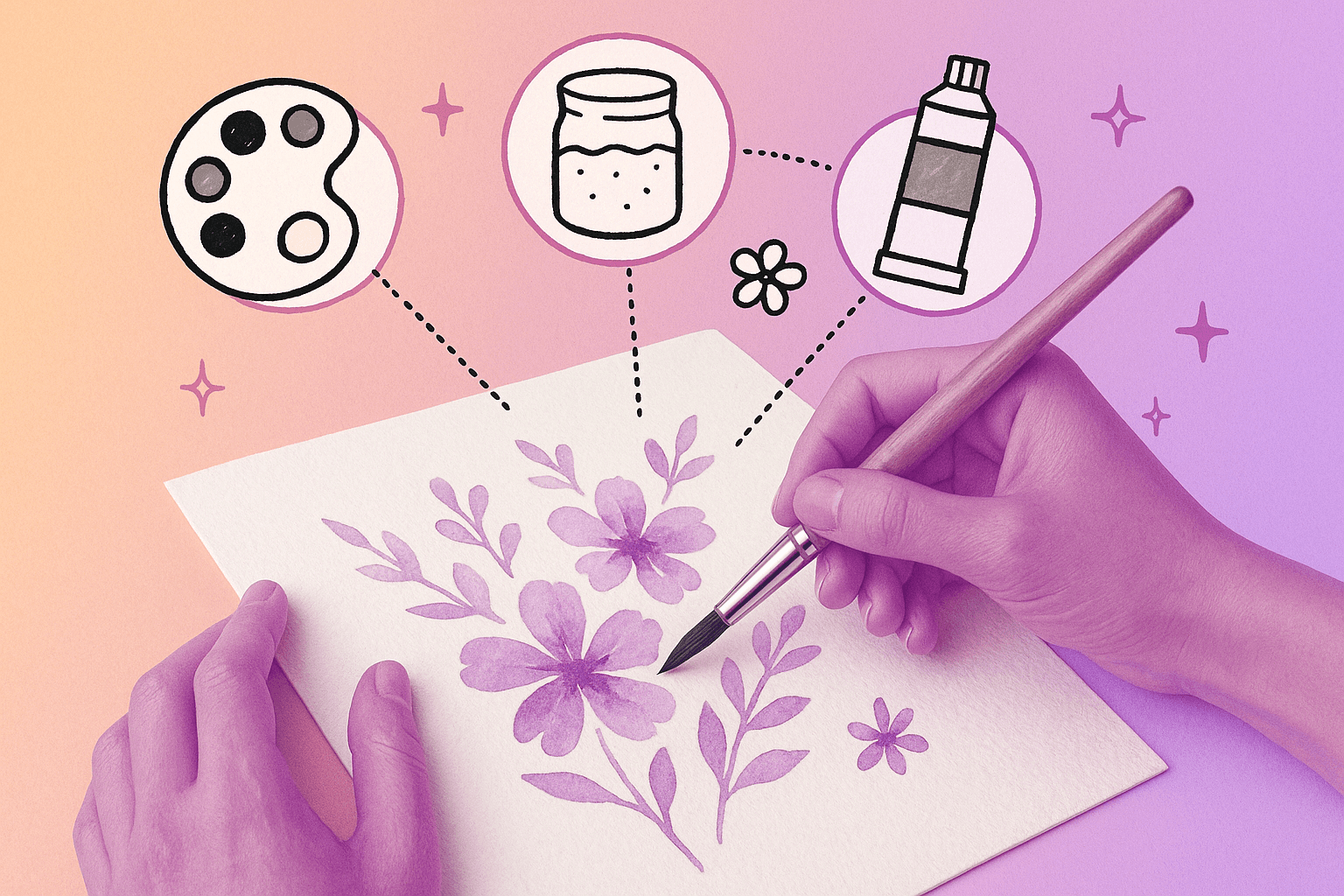
The barrier to entry is low. Students don’t need expensive easels, ventilation systems, or dedicated studio space. A basic watercolor set, some paper, and a water jar are enough to get started. This means your potential audience includes busy parents, apartment dwellers, and budget-conscious beginners.
Mistakes become learning opportunities. Watercolor’s unpredictable nature is actually a teaching advantage. When something goes “wrong” in your demonstration, you can show students how to work with it instead of fighting it. This builds confidence and reduces the perfectionism that kills creativity.
Progress is visible quickly. Students can create something beautiful in their first lesson, even if it’s just a simple color wash or wet-on-wet technique. This immediate gratification keeps them coming back for more advanced lessons.
The community aspect is strong. Watercolor students love sharing their work and getting feedback. They’ll post progress photos, ask questions about techniques, and celebrate each other’s breakthroughs. This natural engagement makes your course stickier and creates word-of-mouth marketing.
What to Include in Your Watercolor Course
The best watercolor courses follow a logical progression from basic techniques to complete paintings. Here’s a framework that works:
Module 1: Materials and Setup (3-4 lessons)
Cover essential supplies without overwhelming beginners. Recommend specific paper weights, explain brush types, and show how different pigments behave. Include a “shopping list” they can reference later.
Module 2: Basic Techniques (4-5 lessons)
Wet-on-wet, wet-on-dry, dry brush, and lifting techniques. Each lesson should be a short, focused demonstration they can practice immediately. Keep these under 15 minutes each.
Module 3: Color Theory for Watercolor (3-4 lessons)
How colors mix on paper vs. on the palette, temperature relationships, and creating mood with color. Use simple exercises like painting color wheels and gradient strips.
Module 4: Shape and Form (4-5 lessons)
Basic shapes, creating dimension with light and shadow, and understanding how watercolor naturally creates organic edges. Practice with simple subjects like fruits or flowers.
Module 5: Your First Complete Painting (6-8 lessons)
Choose one subject and walk through the entire process from initial sketch to final details. Break it into bite-sized steps so students don’t feel overwhelmed.
Module 6: Landscape Techniques (5-6 lessons)
Skies, water, trees, and distant mountains. Show how to create atmospheric perspective and handle complex scenes without getting muddy.
Module 7: Advanced Projects (8-10 lessons)
Two or three complete paintings that combine everything they’ve learned. Include different styles - maybe a loose, impressionistic piece and a more detailed botanical study.
Bonus Module: Troubleshooting and Happy Accidents (3-4 lessons)
What to do when paintings go wrong, how to salvage “ruined” work, and techniques for embracing watercolor’s unpredictable nature.
Each lesson should include a short video demonstration, a written summary of key points, and a practice exercise. Students learn better when they have multiple ways to consume the information.
How to Price Your Watercolor Course
Pricing depends on what you’re offering and who you’re targeting. Here’s what we see working in 2026:
Basic self-paced courses: $47-$97
Perfect for absolute beginners who want to try watercolor without a big commitment. These courses typically include 15-25 lessons, basic technique demonstrations, and downloadable reference materials.
Comprehensive self-paced courses: $127-$297
More thorough courses with 40-60 lessons, multiple complete painting projects, bonus materials like color mixing guides, and lifetime access. This is the sweet spot for most watercolor courses.
Premium courses with coaching: $497-$997
Include everything above plus live Q&A sessions, personal feedback on student work, private Facebook group access, and direct instructor support. The higher prices are justified by the personal attention.
Subscription-based: $27-$47 per month
New lessons added regularly, community access, and ongoing support. Works well if you plan to create content consistently and want recurring revenue.
Start with the $127-$197 range for your first course. You can always create premium versions later once you understand what your students value most. Remember, people will pay more for transformation than information. Focus on what students will be able to paint after taking your course, not just what techniques you’ll teach them.
Price psychology matters too. $197 feels significantly more premium than $199, even though it’s only $2 less. And always offer a money-back guarantee - it reduces purchase anxiety and actually decreases refund rates because people feel safer buying.
How to Find Students and Sell Your Course
The art world is visual, which gives you natural advantages for marketing. Here are the strategies that work best for watercolor courses:
Instagram and TikTok process videos
Film yourself painting and speed up the footage to 15-60 seconds. Show the transformation from blank paper to finished piece. These videos perform incredibly well because they’re satisfying to watch and showcase your skills. Always end with a call-to-action like “Want to learn this technique? Link in bio.”
Post consistently - at least 3-4 times per week. Use trending audio on TikTok and relevant hashtags on Instagram (#watercolorpainting, #beginnerwatercolor, #paintingprocess). Engage with comments and follow other artists in your niche.
Pinterest strategy
Create vertical pins showing your finished paintings alongside text overlays like “Learn to Paint This in 30 Minutes” or “Beginner Watercolor Tutorial.” Pinterest users are actively looking for tutorials and how-to content, making them perfect prospects for your course.
Create boards for different painting subjects (flowers, landscapes, abstract) and pin consistently. Pinterest traffic takes 2-3 months to build, but it’s incredibly valuable because users are in a learning mindset when they find your content.
YouTube tutorial funnel
Create free 10-15 minute tutorials teaching specific techniques or painting simple subjects. At the end, mention your comprehensive course for viewers who want to go deeper. This builds trust and lets people sample your teaching style before buying.
Focus on searchable topics like “how to paint watercolor clouds” or “watercolor wet on wet technique.” YouTube rewards consistent posting and high engagement, so respond to every comment and ask viewers questions to encourage interaction.
Local art communities and workshops
Partner with local art stores, community centers, or libraries to offer short in-person workshops. Many attendees will want to continue learning online afterward. Collect emails at every event and follow up with course information.
You can also reach out to existing online communities - Facebook groups for artists, Reddit communities like r/Watercolor, or art forums. Share helpful tips and techniques without being salesy. When people see your expertise, they’ll seek out your courses naturally.
The key is to be helpful first and promotional second. People buy from artists they trust and connect with, not from strangers who just want to sell them something.
Technical Platform Considerations
You’ll need a platform that handles video well since watercolor instruction is highly visual. Most course platforms work, but some are better suited for creative courses than others.
Look for platforms that offer custom branding and design flexibility. Your course should feel like an extension of your artistic brand, not a generic template that looks like everyone else’s.
Consider the total cost of ownership too. Some platforms charge monthly fees plus transaction fees, which can eat into your profits significantly. For example, many popular platforms charge 3-5% per transaction, but Teachery charges 0% transaction fees on all plans while still offering unlimited courses, students, and custom branding.
The platform should also handle different content types easily - videos, PDFs, audio, and embeddable content. You might want to include downloadable color mixing charts, supply lists, or even embed inspiration galleries from Pinterest.
If you’re planning to run the course long-term, consider platforms with lifetime pricing options. Teachery’s Lifetime Deal at $950 means you’ll never pay monthly fees again, which makes sense if you plan to keep teaching for years.
Don’t forget about student experience either. The easier it is for students to access and navigate your content, the more likely they are to complete the course and recommend it to others. Look for platforms with clean, intuitive student dashboards and mobile-friendly viewing.
Building Your Course Creation Workflow
Creating a watercolor course requires more planning than you might think. Here’s a workflow that prevents you from getting overwhelmed:
Start with your learning outcomes. What should students be able to paint after finishing your course? Work backward from there to identify the skills and techniques they’ll need.
Film in batches. Set aside dedicated days for recording. Watercolor dries quickly, so you can often film multiple demonstrations in one session. This is more efficient than spreading filming across weeks.
Plan for mistakes. Watercolor rarely goes exactly as planned, which is part of its charm. When something unexpected happens during filming, explain what’s occurring and how to work with it. These moments often become students’ favorite parts of the course.
Create supporting materials as you go. While paint is drying during filming breaks, write lesson summaries, create supply lists, or sketch out bonus materials. This parallel processing saves time later.
Test with a small group first. Recruit 5-10 beta students to go through your course before the full launch. Their feedback will help you identify confusing explanations, technical issues, or missing content.
Remember, your course doesn’t have to be perfect to launch. Many successful course creators started with basic video quality and simple materials, then upgraded over time as their revenue grew. The most important thing is delivering real value and helping students achieve their goals.
Related Reading
Frequently Asked Questions
How much money can you make selling a watercolor course online?
Watercolor course earnings vary widely based on pricing, marketing, and audience size. Beginner courses priced at $97 might generate $2,000-5,000 monthly with consistent marketing, while comprehensive courses at $297 can bring in $10,000-25,000 per month for established creators. Success depends more on your ability to consistently create valuable content and market effectively than on the subject matter itself.
What’s the best platform to sell a watercolor course on?
The best platform depends on your priorities, but look for one with strong video hosting, custom design options, and reasonable fees. Teachery offers unlimited courses and students with 0% transaction fees, making it cost-effective for creators who want to keep more of their revenue. Other popular options include Teachable and Kajabi, though they typically charge higher monthly fees or transaction fees that can add up quickly.
Do I need expensive equipment to create a watercolor course?
You don’t need professional studio equipment to start. A smartphone with good video quality, natural lighting from a window, and a simple tripod or phone stand are sufficient for basic course creation. Many successful watercolor instructors started with minimal equipment and upgraded as their courses became profitable. Focus on clear audio and steady shots rather than expensive cameras.
How long should a watercolor course be?
Most successful watercolor courses contain 20-50 lessons ranging from 5-20 minutes each. Students prefer shorter, focused lessons they can complete in one sitting rather than hour-long sessions. A typical comprehensive course might include 30-40 lessons totaling 6-10 hours of content, broken into logical modules that build skills progressively. Quality and clear instruction matter more than total duration.
Ready to turn your watercolor skills into a profitable online course? The combination of high market demand, visual appeal, and accessible materials makes watercolor one of the best subjects for online teaching. Start your free Teachery trial today and begin building the course that could transform both your students’ artistic abilities and your own income.
Watercolor painting has exploded online. Instagram watercolor tutorials rack up millions of views, Pinterest is flooded with watercolor techniques, and more people than ever want to learn this beautiful medium from home. If you’re a watercolor artist, there’s never been a better time to turn your skills into a profitable online course.
Key Facts
Course pricing range: Watercolor courses typically sell for $47 to $297 for self-paced versions, with premium coaching versions reaching $997
Platform costs: Teachery charges 0% transaction fees on all plans, while other platforms like Teachable charge up to 5%
Market demand: Watercolor-related content generates over 2.1 billion views annually on Pinterest alone
Success factors: 73% of successful art course creators include hands-on projects and real-time demonstrations in their curriculum
Ready to start building your watercolor course? Try Teachery free for 14 days - no credit card required.
Why Watercolor is Perfect for Online Courses
Watercolor translates beautifully to the online format, and here’s why:
Visual transformation is instant and captivating. Unlike oil painting or sculpture, watercolor changes dramatically in real-time. Students can watch pigment bloom across wet paper, colors blend and separate, and happy accidents turn into stunning effects. This visual magic keeps people engaged throughout video lessons.
The barrier to entry is low. Students don’t need expensive easels, ventilation systems, or dedicated studio space. A basic watercolor set, some paper, and a water jar are enough to get started. This means your potential audience includes busy parents, apartment dwellers, and budget-conscious beginners.
Mistakes become learning opportunities. Watercolor’s unpredictable nature is actually a teaching advantage. When something goes “wrong” in your demonstration, you can show students how to work with it instead of fighting it. This builds confidence and reduces the perfectionism that kills creativity.
Progress is visible quickly. Students can create something beautiful in their first lesson, even if it’s just a simple color wash or wet-on-wet technique. This immediate gratification keeps them coming back for more advanced lessons.
The community aspect is strong. Watercolor students love sharing their work and getting feedback. They’ll post progress photos, ask questions about techniques, and celebrate each other’s breakthroughs. This natural engagement makes your course stickier and creates word-of-mouth marketing.
What to Include in Your Watercolor Course
The best watercolor courses follow a logical progression from basic techniques to complete paintings. Here’s a framework that works:
Module 1: Materials and Setup (3-4 lessons)
Cover essential supplies without overwhelming beginners. Recommend specific paper weights, explain brush types, and show how different pigments behave. Include a “shopping list” they can reference later.
Module 2: Basic Techniques (4-5 lessons)
Wet-on-wet, wet-on-dry, dry brush, and lifting techniques. Each lesson should be a short, focused demonstration they can practice immediately. Keep these under 15 minutes each.
Module 3: Color Theory for Watercolor (3-4 lessons)
How colors mix on paper vs. on the palette, temperature relationships, and creating mood with color. Use simple exercises like painting color wheels and gradient strips.
Module 4: Shape and Form (4-5 lessons)
Basic shapes, creating dimension with light and shadow, and understanding how watercolor naturally creates organic edges. Practice with simple subjects like fruits or flowers.
Module 5: Your First Complete Painting (6-8 lessons)
Choose one subject and walk through the entire process from initial sketch to final details. Break it into bite-sized steps so students don’t feel overwhelmed.
Module 6: Landscape Techniques (5-6 lessons)
Skies, water, trees, and distant mountains. Show how to create atmospheric perspective and handle complex scenes without getting muddy.
Module 7: Advanced Projects (8-10 lessons)
Two or three complete paintings that combine everything they’ve learned. Include different styles - maybe a loose, impressionistic piece and a more detailed botanical study.
Bonus Module: Troubleshooting and Happy Accidents (3-4 lessons)
What to do when paintings go wrong, how to salvage “ruined” work, and techniques for embracing watercolor’s unpredictable nature.
Each lesson should include a short video demonstration, a written summary of key points, and a practice exercise. Students learn better when they have multiple ways to consume the information.
How to Price Your Watercolor Course
Pricing depends on what you’re offering and who you’re targeting. Here’s what we see working in 2026:
Basic self-paced courses: $47-$97
Perfect for absolute beginners who want to try watercolor without a big commitment. These courses typically include 15-25 lessons, basic technique demonstrations, and downloadable reference materials.
Comprehensive self-paced courses: $127-$297
More thorough courses with 40-60 lessons, multiple complete painting projects, bonus materials like color mixing guides, and lifetime access. This is the sweet spot for most watercolor courses.
Premium courses with coaching: $497-$997
Include everything above plus live Q&A sessions, personal feedback on student work, private Facebook group access, and direct instructor support. The higher prices are justified by the personal attention.
Subscription-based: $27-$47 per month
New lessons added regularly, community access, and ongoing support. Works well if you plan to create content consistently and want recurring revenue.
Start with the $127-$197 range for your first course. You can always create premium versions later once you understand what your students value most. Remember, people will pay more for transformation than information. Focus on what students will be able to paint after taking your course, not just what techniques you’ll teach them.
Price psychology matters too. $197 feels significantly more premium than $199, even though it’s only $2 less. And always offer a money-back guarantee - it reduces purchase anxiety and actually decreases refund rates because people feel safer buying.
How to Find Students and Sell Your Course
The art world is visual, which gives you natural advantages for marketing. Here are the strategies that work best for watercolor courses:
Instagram and TikTok process videos
Film yourself painting and speed up the footage to 15-60 seconds. Show the transformation from blank paper to finished piece. These videos perform incredibly well because they’re satisfying to watch and showcase your skills. Always end with a call-to-action like “Want to learn this technique? Link in bio.”
Post consistently - at least 3-4 times per week. Use trending audio on TikTok and relevant hashtags on Instagram (#watercolorpainting, #beginnerwatercolor, #paintingprocess). Engage with comments and follow other artists in your niche.
Pinterest strategy
Create vertical pins showing your finished paintings alongside text overlays like “Learn to Paint This in 30 Minutes” or “Beginner Watercolor Tutorial.” Pinterest users are actively looking for tutorials and how-to content, making them perfect prospects for your course.
Create boards for different painting subjects (flowers, landscapes, abstract) and pin consistently. Pinterest traffic takes 2-3 months to build, but it’s incredibly valuable because users are in a learning mindset when they find your content.
YouTube tutorial funnel
Create free 10-15 minute tutorials teaching specific techniques or painting simple subjects. At the end, mention your comprehensive course for viewers who want to go deeper. This builds trust and lets people sample your teaching style before buying.
Focus on searchable topics like “how to paint watercolor clouds” or “watercolor wet on wet technique.” YouTube rewards consistent posting and high engagement, so respond to every comment and ask viewers questions to encourage interaction.
Local art communities and workshops
Partner with local art stores, community centers, or libraries to offer short in-person workshops. Many attendees will want to continue learning online afterward. Collect emails at every event and follow up with course information.
You can also reach out to existing online communities - Facebook groups for artists, Reddit communities like r/Watercolor, or art forums. Share helpful tips and techniques without being salesy. When people see your expertise, they’ll seek out your courses naturally.
The key is to be helpful first and promotional second. People buy from artists they trust and connect with, not from strangers who just want to sell them something.
Technical Platform Considerations
You’ll need a platform that handles video well since watercolor instruction is highly visual. Most course platforms work, but some are better suited for creative courses than others.
Look for platforms that offer custom branding and design flexibility. Your course should feel like an extension of your artistic brand, not a generic template that looks like everyone else’s.
Consider the total cost of ownership too. Some platforms charge monthly fees plus transaction fees, which can eat into your profits significantly. For example, many popular platforms charge 3-5% per transaction, but Teachery charges 0% transaction fees on all plans while still offering unlimited courses, students, and custom branding.
The platform should also handle different content types easily - videos, PDFs, audio, and embeddable content. You might want to include downloadable color mixing charts, supply lists, or even embed inspiration galleries from Pinterest.
If you’re planning to run the course long-term, consider platforms with lifetime pricing options. Teachery’s Lifetime Deal at $950 means you’ll never pay monthly fees again, which makes sense if you plan to keep teaching for years.
Don’t forget about student experience either. The easier it is for students to access and navigate your content, the more likely they are to complete the course and recommend it to others. Look for platforms with clean, intuitive student dashboards and mobile-friendly viewing.
Building Your Course Creation Workflow
Creating a watercolor course requires more planning than you might think. Here’s a workflow that prevents you from getting overwhelmed:
Start with your learning outcomes. What should students be able to paint after finishing your course? Work backward from there to identify the skills and techniques they’ll need.
Film in batches. Set aside dedicated days for recording. Watercolor dries quickly, so you can often film multiple demonstrations in one session. This is more efficient than spreading filming across weeks.
Plan for mistakes. Watercolor rarely goes exactly as planned, which is part of its charm. When something unexpected happens during filming, explain what’s occurring and how to work with it. These moments often become students’ favorite parts of the course.
Create supporting materials as you go. While paint is drying during filming breaks, write lesson summaries, create supply lists, or sketch out bonus materials. This parallel processing saves time later.
Test with a small group first. Recruit 5-10 beta students to go through your course before the full launch. Their feedback will help you identify confusing explanations, technical issues, or missing content.
Remember, your course doesn’t have to be perfect to launch. Many successful course creators started with basic video quality and simple materials, then upgraded over time as their revenue grew. The most important thing is delivering real value and helping students achieve their goals.
Related Reading
Frequently Asked Questions
How much money can you make selling a watercolor course online?
Watercolor course earnings vary widely based on pricing, marketing, and audience size. Beginner courses priced at $97 might generate $2,000-5,000 monthly with consistent marketing, while comprehensive courses at $297 can bring in $10,000-25,000 per month for established creators. Success depends more on your ability to consistently create valuable content and market effectively than on the subject matter itself.
What’s the best platform to sell a watercolor course on?
The best platform depends on your priorities, but look for one with strong video hosting, custom design options, and reasonable fees. Teachery offers unlimited courses and students with 0% transaction fees, making it cost-effective for creators who want to keep more of their revenue. Other popular options include Teachable and Kajabi, though they typically charge higher monthly fees or transaction fees that can add up quickly.
Do I need expensive equipment to create a watercolor course?
You don’t need professional studio equipment to start. A smartphone with good video quality, natural lighting from a window, and a simple tripod or phone stand are sufficient for basic course creation. Many successful watercolor instructors started with minimal equipment and upgraded as their courses became profitable. Focus on clear audio and steady shots rather than expensive cameras.
How long should a watercolor course be?
Most successful watercolor courses contain 20-50 lessons ranging from 5-20 minutes each. Students prefer shorter, focused lessons they can complete in one sitting rather than hour-long sessions. A typical comprehensive course might include 30-40 lessons totaling 6-10 hours of content, broken into logical modules that build skills progressively. Quality and clear instruction matter more than total duration.
Ready to turn your watercolor skills into a profitable online course? The combination of high market demand, visual appeal, and accessible materials makes watercolor one of the best subjects for online teaching. Start your free Teachery trial today and begin building the course that could transform both your students’ artistic abilities and your own income.